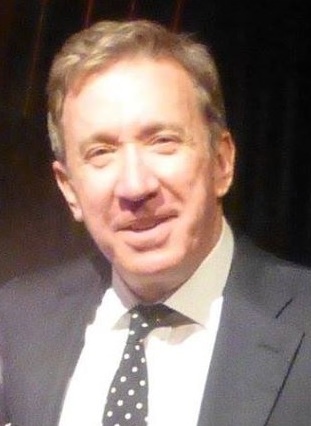
Tim Allen Net Worth

Tim Allen Net Worth

The most repeated money story about Tim Allen is that he turned down $50 million — $2 million an episode for a ninth season of his sitcom.

The only contemporaneous source for that offer is a trade item from January 1999. It reports “rumblings that Disney may be planning to offer” the money — a rumour about an intention.

And in the same article, Allen is quoted directly: “no one’s ever talked to me or Pat about this.”

Tim Allen Net Worth: Why We Publish No Figure

  • The most-cited estimate lists $20.3m of earnings and concludes $100m — on its own page
  • Even his base salary is contested by the paper that reported it — twice, seven weeks apart, by a factor of 2.14
  • Our take: no verified figure. One audited balance sheet carries his legal name, and it is a charity’s. See our methodology.

$20.3 Million in Earnings, $100 Million in Net Worth

The most-cited estimate headlines $100 million and then prints its own arithmetic: a career-earnings table totalling $20.3 million.

The table does not even hold together internally. It mixes a per-episode rate into a column of absolute sums without multiplying it by the number of episodes.

Elsewhere the picture is no steadier. One site publishes $80 million while an article on the same domain is headlined “How Tim Allen Made His $100 Million Fortune.” The two biggest aggregators differ on his 1995 voice fee by a factor of ten — $50,000 against $500,000 — and neither cites a source.

A business news outlet then repeats the $100 million and attributes it “per Celeb Net Worth” — lending an aggregator’s guess the authority of a financial publication. The same page dates his 1995 film to 1955.

The Trade Paper Contradicted Itself in Seven Weeks

His sitcom salary is the foundation every estimate is built on. It rests on three reports, all anonymously sourced, and two of them disagree.

DateReportedWording
15 Aug 1997~$350,000/ep“presently earns”
2 Oct 1997$1.25m/ep“from his current $750,000
13 Jan 1999$2m/epmay be planning to offer

Same paper, same show, same season — and his current salary moves from $350,000 to $750,000 in seven weeks. The likeliest explanation is visible in the August report itself, which says the studio was offering a rise into the “high-six-figure range”: by October, the offer was being printed as the existing salary.

Every one of these reports carries the same disclaimer in its own text. Representatives for Allen, for the studio and for the network all declined to comment or did not respond. Nothing here was ever confirmed by anybody.

The Trademark Record: Tools Dead, Racing Alive

Registers do not give opinions, and here they tell a story in two acts.

A signature tool-line trademark was filed in April 1997 by his production company on an intent-to-use basis. It was allowed — and then abandoned in April 2000 because no statement of use was ever filed. In trademark terms, that means the product was never brought to market under it.

A second registration covering his name — held personally, under his legal name — was granted in 2001 across five classes. On 31 December 2007 a partial filing cancelled four of them: tools, hand tools, bags and clothing all lapsed.

One class survived, and he has kept it alive ever since, renewing it most recently in April 2022: personal appearances by a celebrity, live shows, concerts — and automobile races.

The merchandising empire is administratively dead. The racing is what he maintained.

The Licensee Published Audited Numbers

The company that made the tools was publicly listed, which means its accounts are filed and its assessment is on the record. In its own words, the line ran from late 1996 to 1999 and sales “did not meet our expectations.”

Then come the figures. In 1999, the final year of the line, the entire company turned over $1,453,112 and lost $51,585. Retail — the market the line sold into — was about a fifth of that.

No royalty to him appears anywhere in those accounts, and no figure was ever disclosed. But a company with $1.45 million of revenue and a loss could not have paid a licence fee in the millions. This is what an endorsement deal looks like from the other side of the table.

$12.2 Million in Chicago. Zero in New York.

His sitcom’s syndication money was fought over in court for six years, and the filings contain the only hard numbers anywhere near his career.

A 2019 ruling lists the cash licence fees from the second syndication cycle, market by market:

Chicago$12,200,000
Los Angeles$5,200,000
Dallas$3,600,000
Boston$3,100,000
New York$0 — barter only

The largest television market in the country generated no cash at all. An expert in the case put what New York should have produced at over $10 million. The plaintiffs sought $40 million, claimed the series had earned the studio $1.5 billion, and disputed distribution fees of 35 and 40 per cent. It settled weeks before trial for an undisclosed sum.

Allen was not a party to this case, and none of these sums are his. They matter for one reason: a trade report in 1997 said he held “a percentage” of the syndication windfall — without ever naming the percentage. This litigation shows what that pool actually looked like when the accounting was examined, and how bitterly the net-profit arithmetic was contested.

The One Audited Number With His Name On It

His charitable foundation files public accounts, and the officer field carries his legal name — which is what makes the identification firm rather than inferred.

YearTotal assets
2013$4,340,918
2017$6,057,295
2020$7,682,709
2024$10,355,259

Held entirely in corporate stock, paying out between $223,500 and $470,000 a year — and listing his own compensation as $0 in every reported year.

This is charity capital, not his money. We publish it because it is the only audited balance sheet in his entire file, because he has demonstrably funded it since 1999, and because the zero is itself a documented fact.

No Fee Exists for Buzz Lightyear

The animation studio was publicly listed from 1995 to 2006, so its annual reports covering both of the first two films are filed and searchable. We read them.

Report year“Toy Story”AllenHis co-lead
1998197×00
1999209×00
2000138×00

The control is what makes this conclusive. The films are discussed hundreds of times, so these are unmistakably the right documents — and the other lead voice is equally absent, which rules out a name-matching failure. Voice pay disappears into a single line covering “any participations provided to talent.”

The structure hides it. It is not a gap in the record.

What Could Not Be Established

The tourism campaign fee. He has narrated a US state’s tourism advertising for years. The campaign budget is public — $36 million in one fiscal year — but his share has never been disclosed. The figure circulating online appears only on low-grade sites. Because this is public money, a formal records request is the obvious next step, and we have not made one.

The backend. Documented that he held a percentage; never documented what it was. It is almost certainly the largest single item in his finances, and it is unquantified.

Blocked, not empty: the newspaper credited with his voice fees blocks automated access, so we could not verify those figures at source and do not repeat them as established. Note also that “$5 million as an advance against home-video royalties” is not the same thing as a fee — the version that circulates drops the distinction.

A coverage limit worth stating: the federal court database contains no case of his — but it does not include California state courts, which is where an actor’s contract disputes are heard. The most important case here was a state case, found outside that database entirely. Absence there proves nothing.

The Bottom Line

Documented: three unconfirmed salary reports that contradict each other, a licensee with $1.45 million of revenue and a loss, two trademark classes surviving out of five, a foundation holding $10.36 million and paying him nothing, and a syndication market that produced $12.2 million in Chicago and nothing in New York.

Not documented: his backend percentage, his voice fees, his endorsement income, and the $50 million he is said to have refused.

When the best-evidenced single figure in a career is contradicted by the publication that printed it, no total built on top of it can stand.

Sources

Money Timeline

DateTypeEventAmountDetails
1997-08-15Payday$350,000 an episode - contradicted by the same paper seven weeks laterVariety reported that he presently earns about this much, and that the studio was offering a rise into the high-six-figure range. By 2 October the same paper described his current salary as $750,000 - a factor of 2.14 for the same season. The likeliest reading is that the August offer was being printed in October as the existing salary. Both reports are anonymously sourced, and both record that representatives for Allen, the studio and the network declined to comment. No amount is booked here because the figure is contested by the publication that printed it. source
1997-10-02Payday$1.25 million an episode - never confirmed by anyoneReported for the eighth season, and the single number on which every estimate of his wealth ultimately rests. It carries the phrase sources say, and the same article states that the studio had no comment and that his representatives did not return calls. The network paid a licence fee of about $3 million per episode for the series, and he was described elsewhere as holding a percentage of a syndication windfall of over $300 million - with the percentage never named. source
1999-01-13PaydayThe $50 million he is said to have refused was never offeredThe only contemporaneous source reports rumblings that the studio may be planning to offer $2 million an episode for a ninth season - a rumour about an intention, in the subjunctive. In the same article Allen is quoted directly: no one's ever talked to me or Pat about this. The famous $50 million is that rumoured rate multiplied by an assumed episode count. He gave his film career, not money, as his reason. source
2000-04-13DealThe tool trademark abandoned before a single statement of useFiled in April 1997 by his production company on an intent-to-use basis and duly allowed, then abandoned because no statement of use was ever filed. In trademark terms that means nothing was ever brought to market under it. The file notes that the name is that of a living individual whose consent is of record. source
2002-04-01Deal$1,453,112 - the entire revenue of the company behind his tool line$1.5MThe listed licensee recorded in its own filings that the line ran from late 1996 to 1999 and that sales did not meet our expectations. In 1999, the final year, the whole company turned over this amount and lost $51,585; retail, the market the line sold into, was about a fifth of it. No royalty to him appears anywhere in the accounts and no figure was ever disclosed - but a business of this size could not have paid a licence fee in the millions. It is what an endorsement looks like from the other side of the table. source
2007-12-31DealFour trademark classes lapse - only the racing survivesHis name was registered personally, under his legal name, across five classes in 2001. A partial filing on this date cancelled four of them: tools, hand tools, bags and clothing all lapsed. One class remains and he has kept it alive, renewing it most recently in April 2022 - personal appearances by a celebrity, live shows, concerts, and automobile races. The merchandising position was allowed to die; the racing is what he maintained. source
2019-07-24Lawsuit$12.2 million in Chicago, nothing at all in New YorkSix years of litigation over his sitcom's syndication money produced the only hard figures near his career. A 2019 ruling lists the second cycle's cash licence fees market by market: $12.2m in Chicago, $5.2m in Los Angeles, $3.6m in Dallas, $3.1m in Boston - and $0 in New York, the largest market in the country, taken as barter alone. An expert put what New York should have produced at over $10 million. The plaintiffs sought $40 million, claimed the series had earned the studio $1.5 billion and disputed distribution fees of 35 and 40 per cent; it settled weeks before trial for an undisclosed sum. He was not a party. It matters because a trade report said he held a percentage of that pool without ever naming it. source
2024-12-31Deal$10,355,259 - the only audited balance sheet bearing his name$10.4MHis charitable foundation files public accounts and the officer field carries his legal name, which makes the identification firm rather than inferred. Total assets grew from $4,340,918 in 2013 to this figure, held entirely in corporate stock, paying out between $223,500 and $470,000 a year - and listing his own compensation as $0 in every reported year. This is charity capital, not his money. We publish it because it is the only audited balance sheet in his file, because he has demonstrably funded it since 1999, and because the zero is itself a documented fact. source

Key financial events, aggregated from the sources cited above. See our methodology.

Frequently Asked Questions

Short answers to the most common questions about this profile. For our sourcing and update method, see our Methodology page.

What is Tim Allen's net worth in 2026?

No verified figure exists. Estimates run from $30 million to $100 million, and the most-cited one contradicts itself on its own page: it headlines $100 million above a career-earnings table that totals $20.3 million - a table that does not even hold together internally, since it mixes a per-episode rate into a column of absolute sums without multiplying it by the episode count. A second site publishes $80 million while an article on the same domain claims $100 million. The two biggest aggregators differ on his 1995 voice fee by a factor of ten, and neither cites a source. A business news outlet then repeats the $100 million and attributes it to the aggregator - lending a guess the authority of a financial publication.

Did Tim Allen turn down $50 million for a ninth season of Home Improvement?

There is no evidence he was ever offered it. The only contemporaneous source is a trade item of 13 January 1999 reporting rumblings that the studio may be planning to offer $2 million an episode - a rumour about an intention, written in the subjunctive. In that same article Allen is quoted directly: no one's ever talked to me or Pat about this. The $50 million is that rumoured rate multiplied by an assumed episode count. The version in circulation, in which the offer was made and he wanted to accept it, comes from a podcast interview given about twenty-five years after the events and runs against what the contemporaneous record says.

How much was Tim Allen paid per episode of Home Improvement?

The trade papers reported it three times and disagree with themselves. On 15 August 1997 Variety wrote that he presently earns about $350,000 per episode and that the studio was offering a rise into the high-six-figure range. On 2 October 1997 the same paper reported $1.25 million per episode for season eight, up from his current $750,000 - a figure 2.14 times the one it had printed seven weeks earlier for the same season. The likeliest explanation is that by October the offer was being printed as the existing salary. All three reports are anonymously sourced, and each records that representatives for Allen, the studio and the network declined to comment or did not respond. Nothing was ever confirmed by anyone.

What happened to the Tim Allen tool brand?

It is administratively dead, in two stages. A signature tool-line trademark filed in April 1997 by his production company on an intent-to-use basis was allowed and then abandoned in April 2000 because no statement of use was ever filed - meaning nothing was brought to market under it. A second registration covering his name, held personally under his legal name, was granted in 2001 across five classes; on 31 December 2007 a partial filing cancelled four of them, so tools, hand tools, bags and clothing all lapsed. One class survives and he has renewed it, most recently in April 2022: personal appearances, live shows, concerts - and automobile races. The listed company that made the tools recorded that the line ran from late 1996 to 1999 and that sales did not meet our expectations. In 1999, its final year, the entire company turned over $1,453,112 and lost $51,585.

How much did Tim Allen earn for voicing Buzz Lightyear?

No fee has ever been published, and the reason is structural rather than a gap in the record. The animation studio was publicly listed from 1995 to 2006, so its annual reports covering the first two films are filed and searchable. In the reports for 1998, 1999 and 2000 the film is discussed 197, 209 and 138 times - and his name appears zero times in all three. The control that settles it: his co-lead's name is equally absent, which rules out a name-matching failure. Voice pay disappears into a single line covering any participations provided to talent.

More comedy profiles like this

Browse a curated selection of other comedy profiles. Net-worth figures load when available; otherwise see the individual profile.

Scroll to Top