Net worth & personal profile
Robert HerjavecNet Worth
The $600 million estimate, wife Kym, five children, BRAK Systems, Cyderes and Shark Tank—separated from private-company deal values.
Source: Celebrity Net Worth estimate. Single-source estimate. Not an independently verified personal balance sheet.
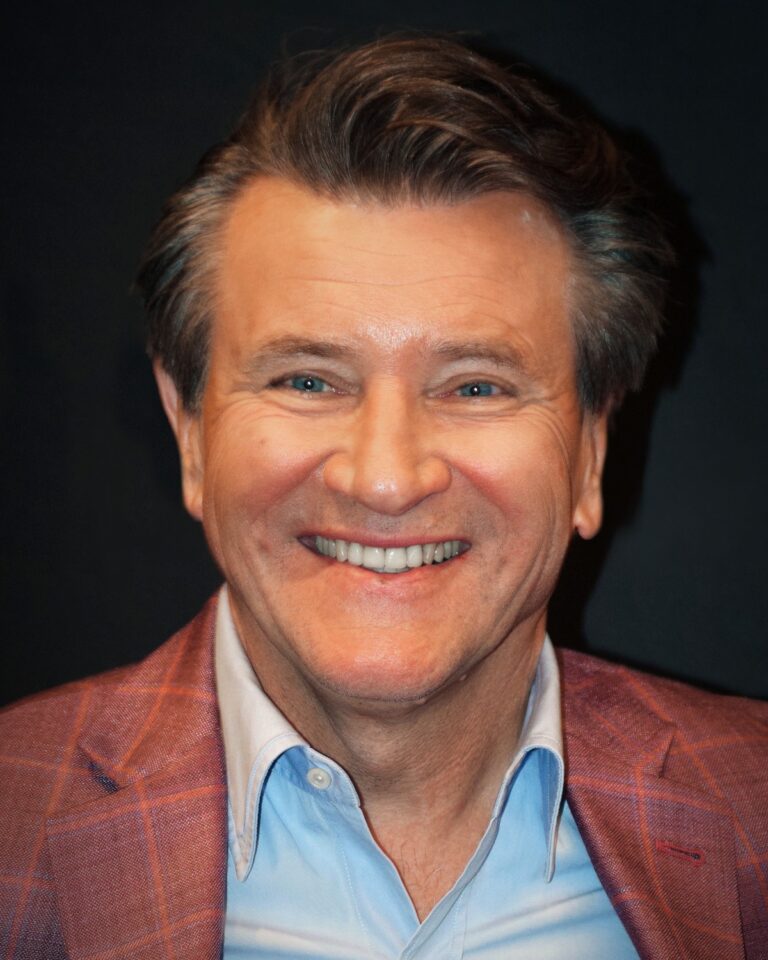
Source · CC BY-SA 4.0 · Displayed crop
The essentials
The current $600 million figure is a single publisher estimate; no audited personal balance sheet is public. [1]
BRAK Systems sold for CAD 30.2 million for the entire company, about USD 20.7 million at the March 2000 rate—not a documented personal payday. [2]
Apax bought a majority stake in 2021 without disclosing the price; Herjavec retained significant equity. [4]
Robert Herjavec became famous as a television investor after building his fortune in cybersecurity. The strongest public records do not disclose his present balance sheet, but they do reveal a currency error in the deal that anchors many online estimates and the limits of treating televised offers as completed investments.
This profile therefore shows the current $600 million publisher estimate while separating it from whole-company sale prices, private equity and company fundraising. Celebrity Net Worth — Robert Herjavec · Net Worth VIP — methodology
01 / The breakthrough
From an immigrant childhood to a cybersecurity exit
Herjavec was born in Varaždin and moved to Canada with his family. After entering technology sales, he founded BRAK Systems and built the internet-security company before its sale to AT&T Canada in March 2000. ABC — Robert Herjavec biography · SEC filing — AT&T Canada acquisition of BRAK
The buyer’s filing records CAD 30.2 million in cash for the whole company. Because the filing states its dollar figures are Canadian, the amount was about USD 20.7 million at the official March 2000 exchange rate. His ownership share, taxes and retained proceeds are not disclosed. SEC filing — AT&T Canada acquisition of BRAK · Bank of Canada — March 2000 exchange rate
02 / Family
Kym, five children and a life across three countries
Herjavec married Australian dancer Kym Johnson in 2016 after they met as partners on Dancing with the Stars. ABC and Cyderes continue to identify Kym as his wife. The couple’s twins, Hudson and Haven, were born in 2018. ABC — Robert Herjavec biography · Cyderes — Robert Herjavec
He also has three adult children—Caprice, Skye and Brendan—from his first marriage to Diane Plese, making five children in total. The current company biography says he divides his time among Australia, the United States and Canada with Kym and the twins. People/Yahoo — Robert Herjavec’s five children · Cyderes — Robert Herjavec
03 / The money story
A disclosed first exit and an undisclosed majority sale
Herjavec founded the company later known as Herjavec Group in 2003. Apax acquired a majority stake in 2021 but explicitly withheld the financial terms and said Herjavec remained a significant stakeholder. The later Fishtech combination kept Apax as majority owner and both founders as significant equity holders. Apax — acquisition of Herjavec Group · Apax — Fishtech and Herjavec Group combination
A surviving ownership position can be valuable, but it is illiquid private equity rather than cash. Its value depends on the company’s enterprise value, debt, ownership percentage and exit terms—none of which is fully public. The same rule applies to Shark Tank: an on-air offer is not an asset until due diligence closes and ownership is documented. SEC filing — televised offer clarified
Celebrity Net Worth reports that Herjavec described a six-home portfolio across the United States, Canada and Australia as worth more than $200 million in 2026. That is a self-reported gross property value, not verified equity: mortgages, joint ownership, transaction costs and taxes are not disclosed. Celebrity Net Worth — Robert Herjavec
The evidence, with its limits
| Source / measure | Public figure | What it establishes |
|---|---|---|
| Celebrity Net Worth — Robert Herjavec | $600 million | Current outside net-worth estimate without a disclosed personal balance sheet. |
| Celebrity Net Worth — Robert Herjavec | $200M+ across six homes | Reported self-description of gross property value, not verified net equity. |
| SEC filing — AT&T Canada acquisition of BRAK | CAD 30.2 million | Cash price for all of BRAK Systems in 2000; Herjavec’s personal share is unknown. |
| Bank of Canada — March 2000 exchange rate | About USD 20.7 million | Contextual conversion at the March 2000 official exchange rate. |
| Apax — acquisition of Herjavec Group | Terms undisclosed | Apax majority investment in 2021; retained stake confirmed, price and percentage withheld. |
| SEC filing — 2022 holding-company raise | $5.3 million | A 2022 company fundraising amount, not Herjavec’s stake or personal proceeds. |
04 / Now
Still a Shark, still invested, no longer CEO
Cyderes appointed Chris Schueler CEO effective October 1, 2024. Herjavec remained a significant investor and board member and now describes his role as active advisor. This corrects the outdated shorthand that he still runs the company day to day. Cyderes — new CEO announcement · Cyderes — Robert Herjavec
ABC lists him as a current Shark and executive producer, and season 17 continues to feature him in 2025–26. Neither ABC nor Cyderes discloses his television fee, investment portfolio value or current Cyderes percentage, so those figures are left unestimated. ABC — Robert Herjavec biography · ABC — Shark Tank season 17
Financial record
The money timeline
Herjavec leaves the CEO roleCareerNot disclosedDetails & source
Amount and context
Not disclosed · USD
He remains a significant investor and board member as Chris Schueler becomes CEO.
Open source for Herjavec leaves the CEO role ↗Herjavec Group and Fishtech combineDealNot disclosedDetails & source
Amount and context
Not disclosed · USD
The merger creates the business later branded Cyderes, with both founders retaining equity.
Open source for Herjavec Group and Fishtech combine ↗Apax announces majority investmentDealNot disclosedDetails & source
Amount and context
Not disclosed · USD
Terms are undisclosed and Herjavec retains a significant stake.
Open source for Apax announces majority investment ↗Shark Tank premieresCareerNot disclosedDetails & source
Amount and context
Not disclosed · USD
Herjavec joins the original ABC investor panel.
Open source for Shark Tank premieres ↗BRAK Systems is soldDealC$30.2MDetails & source
Amount and context
C$30,200,000 · CAD
AT&T Canada’s filing records CAD 30.2 million cash for the entire business.
Open source for BRAK Systems is sold ↗Amounts describe different financial measures and retain their original currencies. They must not be added together as personal wealth. Our methodology.
Common questions
Questions, answered
What is Robert Herjavec’s net worth in 2026?
Celebrity Net Worth estimates $600 million. It is a publisher estimate without a public personal balance sheet, so it should not be read as an audited figure.
Who is Robert Herjavec married to?
He is married to Kym Johnson Herjavec, an Australian dancer he met on Dancing with the Stars. They married in 2016.
How many children does Robert Herjavec have?
He has five children: Caprice, Skye and Brendan from his first marriage, plus twins Hudson and Haven with Kym Johnson Herjavec.
How much did Robert Herjavec sell BRAK Systems for?
The buyer reported paying CAD 30.2 million in cash for the entire company in March 2000, about USD 20.7 million at that month’s official exchange rate. His ownership share and after-tax proceeds are not public.
Does Robert Herjavec still own Cyderes?
He does not control it: Apax acquired a majority stake in 2021. Cyderes says Herjavec remains a significant investor, board member and active advisor after leaving the CEO role in 2024.
Follow the evidenceSources & reading14 links
- Celebrity Net Worth — Robert Herjavec ↗
$600 million publisher estimate, updated September 8, 2026; no public balance sheet.
- SEC filing — AT&T Canada acquisition of BRAK ↗
Buyer filing: CAD 30.2 million cash for the whole company in March 2000.
- Bank of Canada — March 2000 exchange rate ↗
Official monthly CAD/USD exchange-rate observation used for the contextual conversion.
- Apax — acquisition of Herjavec Group ↗
Majority acquisition announced in 2021; terms undisclosed; Herjavec retained a significant stake.
- Apax — Fishtech and Herjavec Group combination ↗
Official combination announcement; both founders retained significant equity.
- Cyderes — Robert Herjavec ↗
Current company biography: advisor, board member and significant investor; wife and twins.
- Cyderes — new CEO announcement ↗
Confirms Herjavec left the CEO role on October 1, 2024 and remained an investor and board member.
- ABC — Robert Herjavec biography ↗
Official Shark Tank biography: hometown, wife Kym, twins and current television role.
- ABC — Shark Tank season 17 ↗
Official season 17 page listing Robert Herjavec among the current Sharks.
- People/Yahoo — Robert Herjavec’s five children ↗
People feature naming his three adult children and twins Hudson and Haven.
- SEC filing — televised offer clarified ↗
Company response to the regulator: options over 94,500 shares, about 1%, as adviser; no other formal agreement.
- SEC filing — 2022 holding-company raise ↗
$5.3 million company raise signed by Herjavec as director; not his personal proceeds.
- Wikimedia Commons — RobertHerjavec2023.jpg ↗
Philip Romano photograph from PaleyFest 2023, licensed CC BY-SA 4.0.
- Net Worth VIP — methodology ↗
How publisher estimates, company transaction values and private holdings are separated from personal wealth.